


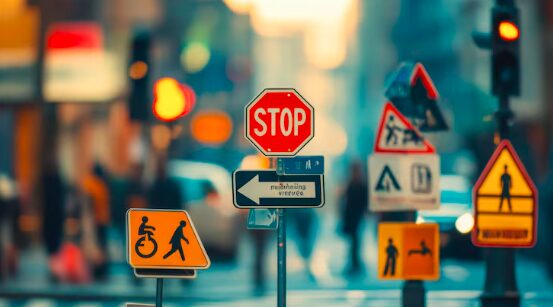
Traffic laws play an important role in maintaining order on roads and highways. These laws are designed to protect drivers, passengers, cyclists, and pedestrians from accidents and injuries. Without traffic regulations, roads would become dangerous and chaotic. From speed limits to seatbelt requirements, traffic laws help reduce risks and create a safer environment for everyone.
The Purpose of Traffic Laws
Traffic laws are created to regulate the movement of vehicles and ensure that people follow safe driving practices. These laws provide clear instructions about speed, lane usage, parking, traffic signals, and driver behavior. Their main goal is to prevent accidents and maintain smooth traffic flow.
When drivers understand and follow these rules, roads become more organized and less stressful for everyone.
Reducing Road Accidents
One of the biggest benefits of traffic laws is the reduction of road accidents. Rules such as stopping at red lights, obeying speed limits, and avoiding reckless driving help minimize collisions.
Speeding is one of the leading causes of accidents worldwide. Traffic laws that enforce speed limits encourage drivers to maintain safe speeds, especially in crowded areas, school zones, and residential neighborhoods.
Encouraging Responsible Driving
Traffic laws promote responsible behavior behind the wheel. Laws against drunk driving, distracted driving, and reckless driving remind people to stay focused and careful while driving.
Using mobile phones while driving can easily distract drivers and lead to accidents. Many countries have introduced strict penalties for distracted driving to reduce such risks and improve road safety.
Protecting Pedestrians and Cyclists
Road safety is not only about drivers. Traffic laws also protect pedestrians and cyclists. Crosswalk regulations, pedestrian signals, bicycle lanes, and helmet laws help reduce injuries and fatalities.
Drivers are often required to stop for pedestrians at crosswalks. These rules make roads safer for people walking or cycling in busy urban areas.
The Importance of Seatbelt and Helmet Laws
Seatbelt and helmet laws save thousands of lives every year. Wearing a seatbelt significantly reduces the chances of serious injury during an accident. Similarly, helmets protect motorcyclists and cyclists from severe head injuries.
Governments enforce these laws because safety equipment can make a major difference during crashes.
Traffic Signals and Road Signs
Traffic signals and road signs are essential parts of traffic law systems. They guide drivers, warn about hazards, and control the movement of vehicles.
Stop signs, speed limit signs, and warning signals help drivers make safer decisions on the road. Following these signs reduces confusion and lowers the risk of accidents.
Punishments and Penalties for Violations
Traffic laws are supported by penalties such as fines, license suspension, and even imprisonment in serious cases. These punishments discourage dangerous driving behavior.
Strict enforcement of traffic laws encourages drivers to follow regulations more carefully. Fear of penalties often motivates people to drive responsibly.
The Role of Driver Education
Driver education programs help people understand traffic laws and safe driving techniques. Before receiving a driving license, individuals are usually required to study road rules and pass driving tests.
Educational campaigns also raise awareness about road safety issues such as speeding, drunk driving, and seatbelt usage.
How Technology Supports Traffic Safety
Modern technology has improved the enforcement of traffic laws. Speed cameras, traffic monitoring systems, and automatic signal controls help authorities manage traffic more effectively.
Many vehicles now include advanced safety features such as lane departure warnings, automatic braking systems, and rear-view cameras, which support safer driving practices.
Conclusion
Traffic laws are essential for maintaining safety and order on roads. They reduce accidents, encourage responsible driving, and protect both drivers and pedestrians. Rules related to speed limits, seatbelts, traffic signals, and distracted driving save lives every day. By following traffic laws and respecting road safety measures, everyone can contribute to creating safer roads and reducing the number of traffic-related injuries and deaths.