


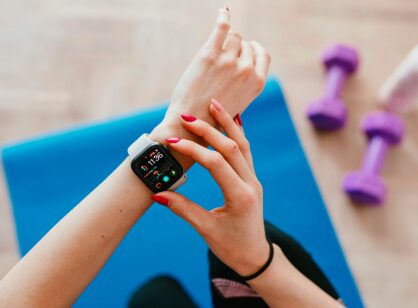
Smart wearable devices have become an important part of modern technology. These devices are designed to help people monitor their health, improve productivity, and stay connected throughout the day. From smartwatches and fitness trackers to smart glasses and wearable medical devices, technology has made wearables more advanced and useful than ever before.
As more people adopt digital lifestyles, smart wearable devices continue to gain popularity because they offer convenience, real-time information, and improved daily efficiency.
What Are Smart Wearable Devices?
Smart wearable devices are electronic gadgets that people wear on their bodies. These devices are connected to smartphones or the internet and can collect data, track activities, and provide useful notifications.
Some common examples of wearable devices include:
- Smartwatches
- Fitness bands
- Smart glasses
- Wearable medical monitors
- GPS tracking devices
- Wireless earbuds
These devices use sensors and software to perform different functions that support everyday activities.
Health Monitoring Benefits
One of the biggest advantages of smart wearable devices is health monitoring. Many wearable devices can track important health information in real time.
Features commonly included in wearable devices are:
- Heart rate monitoring
- Sleep tracking
- Step counting
- Calorie tracking
- Blood oxygen monitoring
- Stress level tracking
These features help users understand their physical condition and encourage healthier lifestyles. Some wearable devices can even alert users about unusual heart activity or health problems.
Improved Fitness Tracking
Fitness enthusiasts widely use wearable devices to monitor workouts and physical activities. Smart fitness trackers help users set goals and measure their progress over time.
Wearable devices can track:
- Running distance
- Workout duration
- Calories burned
- Cycling performance
- Swimming activity
- Daily movement
This information motivates users to stay active and improve their fitness routines.
Better Communication and Connectivity
Smart wearable devices allow users to stay connected without constantly checking their smartphones. Smartwatches can display calls, messages, emails, and app notifications directly on the wrist.
This feature is especially useful for busy professionals, travelers, and students because it improves convenience and saves time.
Some wearable devices also support:
- Voice commands
- Music control
- Contactless payments
- GPS navigation
- Emergency alerts
These features make daily tasks easier and more efficient.
Increased Productivity
Wearable devices can help users manage their schedules and improve productivity. Smartwatches often include reminders, calendars, alarms, and task management tools.
People can quickly check important notifications during meetings, workouts, or travel without interrupting their activities. This helps users stay organized and manage time effectively.
Safety and Emergency Features
Many smart wearable devices include advanced safety features. Some devices can detect falls, track locations, and send emergency alerts to family members or emergency services.
These features are particularly helpful for:
- Elderly individuals
- Children
- Outdoor adventurers
- People with medical conditions
Wearable safety technology provides peace of mind and improves personal security.
Convenience in Daily Life
Smart wearable devices simplify many everyday activities. Users can perform tasks quickly without using a phone or computer.
Examples include:
- Checking weather updates
- Tracking daily schedules
- Making digital payments
- Receiving navigation directions
- Monitoring health data instantly
This convenience has made wearable technology highly popular worldwide.
Challenges of Smart Wearable Devices
Despite their advantages, wearable devices also have some disadvantages. One common concern is battery life, as many devices require regular charging.
Other challenges include:
- Privacy and data security risks
- High device costs
- Dependence on smartphones
- Possible distractions from notifications
- Limited functionality in some devices
Manufacturers continue improving wearable technology to solve these issues.
The Future of Wearable Technology
The future of wearable devices looks very promising. Technology companies are developing smarter and more advanced wearables with improved sensors, artificial intelligence, and better connectivity.
Future wearable devices may include:
- Advanced medical monitoring systems
- Smart clothing with digital sensors
- Augmented reality glasses
- AI-powered personal assistants
- Improved battery technology
As innovation continues, wearable devices are expected to become even more useful in healthcare, fitness, education, and daily life.
Conclusion
Smart wearable devices offer many advantages, including health monitoring, fitness tracking, better communication, and improved productivity. These devices help people stay connected, organized, and informed throughout the day. Although there are some challenges related to privacy, battery life, and cost, wearable technology continues to improve rapidly. As technology advances further, smart wearable devices will likely become an even more important part of everyday life.